Most people arrive in Fort Myers on the way to somewhere sandier. The city sits on the south bank of the Caloosahatchee River, some way upriver from the Gulf, and it rewards a slower look: a winter estate where two of the best-known Americans of their day kept neighbouring houses, a brick downtown on the water, a long avenue of royal palms and, out on the barrier islands, beaches still rebuilding after one of the worst storms in Florida's recent history.
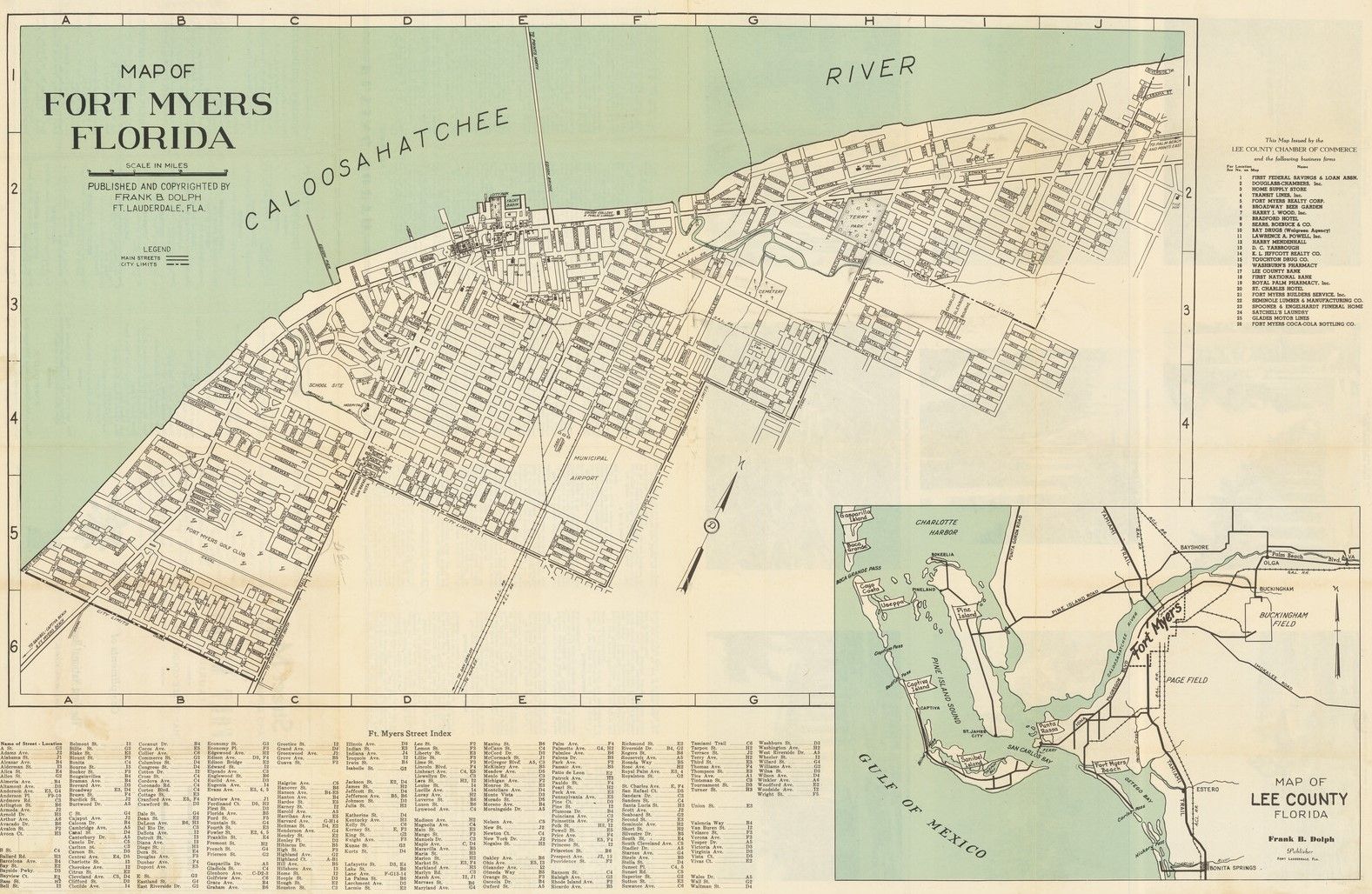
A fort, then a winter town
The name comes from an army post of the Seminole Wars era, named for an officer called Abraham Myers. The fort did not last long. The settlement that grew up around it lived on cattle and citrus for decades, small and hard to reach by land. What changed its fortunes was winter. From the 1880s, northerners found that the river bank was warm in January, and some of them were very famous.
Thomas Edison bought land here in the mid-1880s and built a winter home he called Seminole Lodge. Henry Ford, his friend, bought the house next door in 1916. The two properties are now a single site, the Edison and Ford Winter Estates, on McGregor Boulevard. The city's nickname, the City of Palms, comes from the royal palms that Edison helped start along that boulevard. They still line it for miles, and driving under them is the best introduction the city offers.
The houses themselves are modest by the standards of later Florida winter money: wooden, wide-porched, built for breezes rather than display. That restraint is part of their interest. Edison came here to work as much as to rest, and the estate reads more like a well-kept research station with a garden than a mansion.
The Edison and Ford Winter Estates
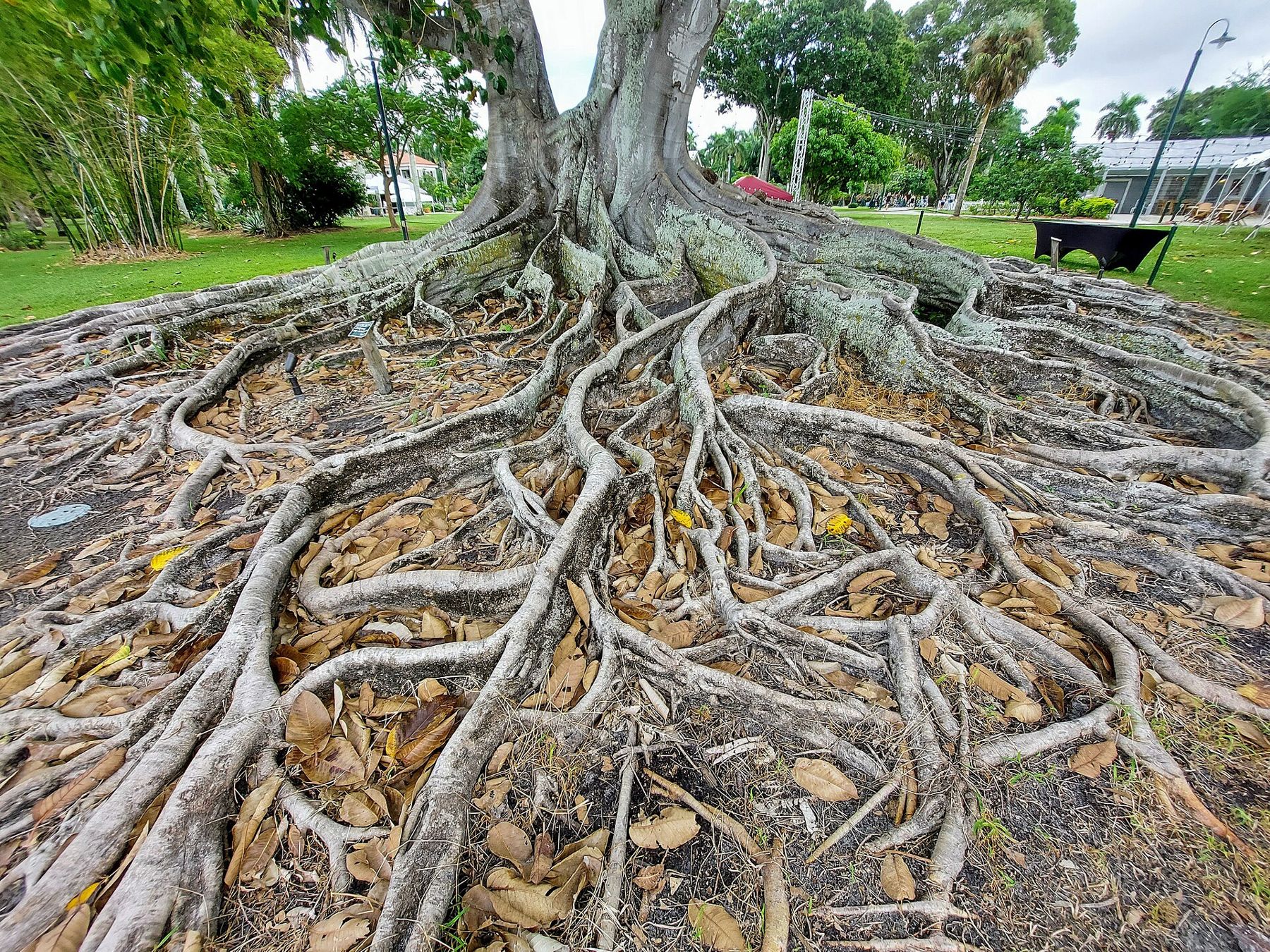
Give the estates half a day. The houses are the reason most people come, but the grounds are the better part. Around 20 acres of gardens hold tropical trees and plants from all over the world, many of them collected for experiments, and an enormous banyan near the entrance has spread from a small tree planted in the 1920s into something closer to a grove.
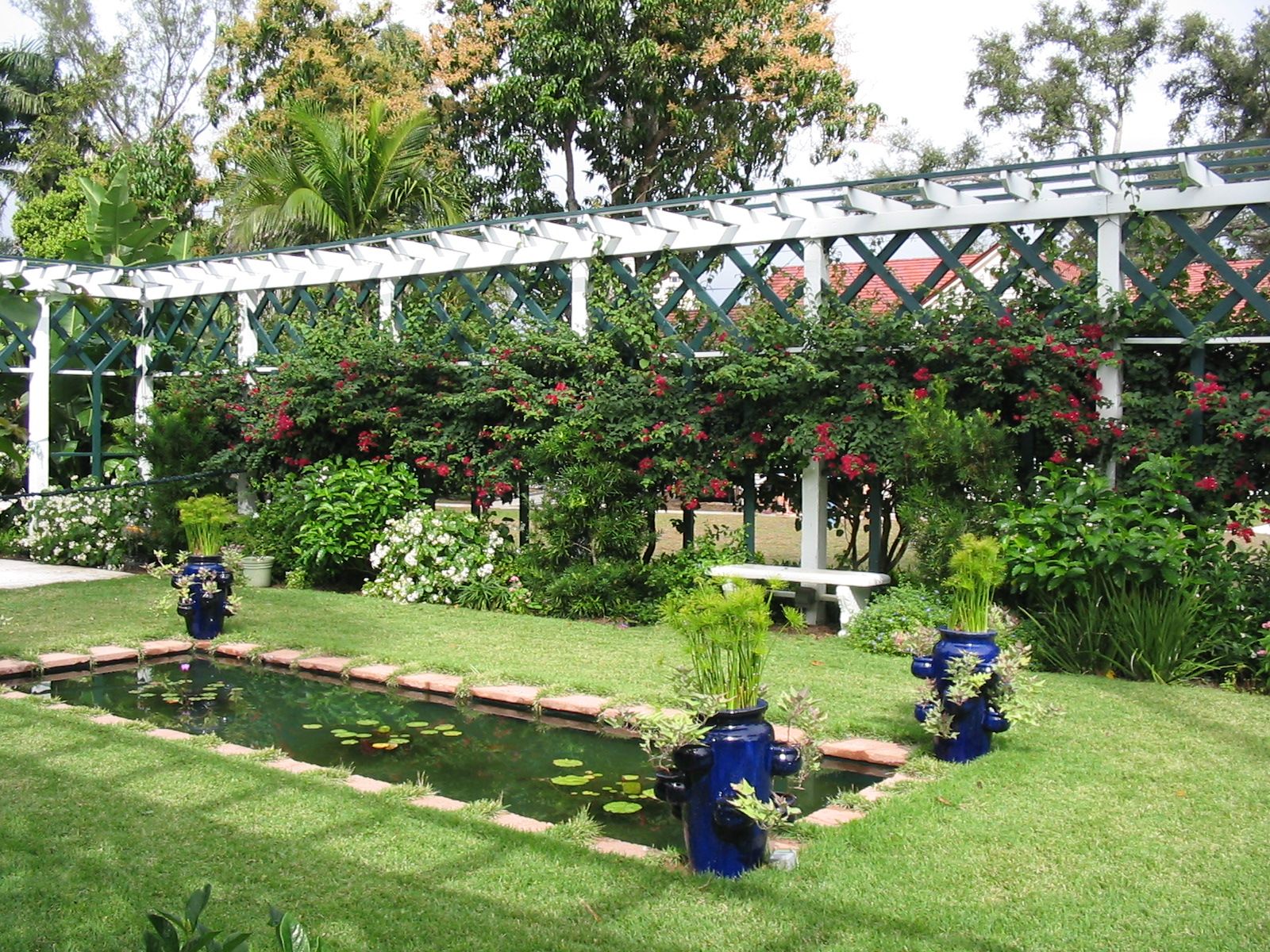
The Moonlight Garden, a quiet rectangle of pool, pergola and pale flowers, was designed by Ellen Biddle Shipman for Mina Edison and meant to be enjoyed after dark. Further in stands the laboratory where, in the late 1920s, Edison, Ford and Harvey Firestone backed a search for a plant that could supply rubber at home if imports were ever cut off. Edison tested thousands of plants and settled on goldenrod. It never became a commercial crop, but the lab, with its benches and glassware, tells the story plainly. The museum on site covers the inventions, the cars and the friendships.
Tickets, tour options and opening hours change with the season, so check before you go, and arrive early in winter, when the car park fills.
The houses are the reason most people come, but the grounds are the better part.
The river and the River District
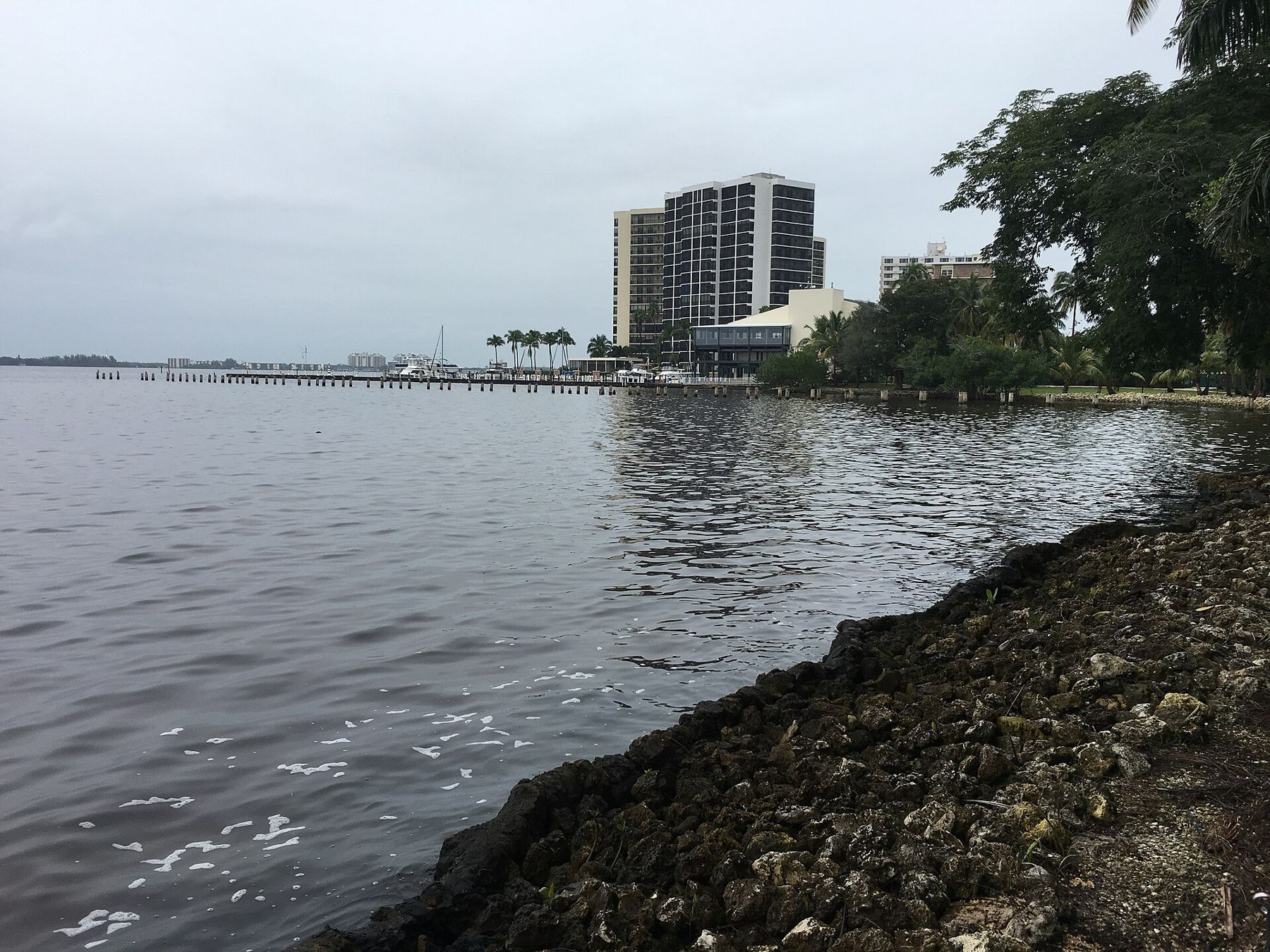
The Caloosahatchee runs west from Lake Okeechobee to San Carlos Bay, and by the time it reaches Fort Myers it is more than a mile wide, closer to an estuary than a river. Downtown, the River District keeps a grid of brick streets and early 20th-century buildings, with a waterfront path where you can watch pelicans work the shallows and storms build over the far bank in summer.
The river matters most in winter. When Gulf water cools, manatees move up the Caloosahatchee and its creeks toward warmer water, and Manatee Park, a county park east of the city beside a power plant's warm-water outflow, is the easy place to see them. Numbers depend entirely on the weather: cold snaps bring them in, warm spells send them back out, and on a mild winter day you may see none at all. Watch from the shore, never feed or touch them, and keep any paddling well clear. For a different kind of manatee day, a drive north takes you to the springs around Orlando, where they gather in clear water.

Fort Myers Beach and Sanibel since Hurricane Ian
On 28 September 2022 Hurricane Ian came ashore in Lee County as a Category 4 storm. Its surge did the worst damage: much of Fort Myers Beach, on Estero Island, was flattened, and the causeway to Sanibel and Captiva broke in several places, cutting the islands off from the mainland. Many people in the county died. A temporary road reopened the causeway within weeks, and rebuilding on both islands has gone on for years since.
What you find now depends on when you go. Beaches have been cleaned and reopened in stages, new buildings stand beside empty lots, and some piers, parks and services have returned while others are still being rebuilt. Conditions change, so check before you go, especially for bridges, beach access and parking.

The draws have not changed. Fort Myers Beach has a long, flat, gently shelving shore that suits children and walkers. Sanibel is famous for shells, thanks to its east-west shape catching what the Gulf brings in; low tide after a winter blow is the time to look. Live shells, with an animal inside, may not be collected, so check each one. Much of Sanibel is protected land, including the J.N. "Ding" Darling National Wildlife Refuge, where a one-way drive through mangroves shows wading birds at close range. Its hours and closures vary, so confirm before you set out.
Planning the trip
Winter and early spring are dry, mild and busy, the season when the city's population swells with visitors from the north. Summer is hot, humid and wet, with afternoon thunderstorms most days, and June to November is hurricane season. Late spring and late autumn are good compromises, with warm water and fewer cars.
- Base yourself downtown for the river and the estates, or on the islands for the beach, and accept the bridge traffic either way.
- Keep an eye on beach warning flags; the Gulf here is usually gentle, but not always.
- If you are still deciding which side of the state suits you, see our notes on choosing a Florida coast.
Inland, Six Mile Cypress Slough Preserve, a county preserve on the city's southeast side, has a boardwalk through a strand of cypress swamp, with wading birds, turtles and, in the dry season, alligators gathered at the remaining pools. It makes a good, shaded morning when the beaches are crowded or the weather is unsettled.
An hour or so north up the coast, Bradenton and Anna Maria Island make a natural second stop, with another river town and another set of islands.