Florida is a long, low peninsula with a different sea on each side: the Gulf of Mexico to the west, the Atlantic Ocean to the east. People who have only been to one often assume the other is much the same. It is not. The light, the water, the waves, the sand and the seasons all differ, and the right choice depends on what you want from a beach.
Sunsets or sunrises
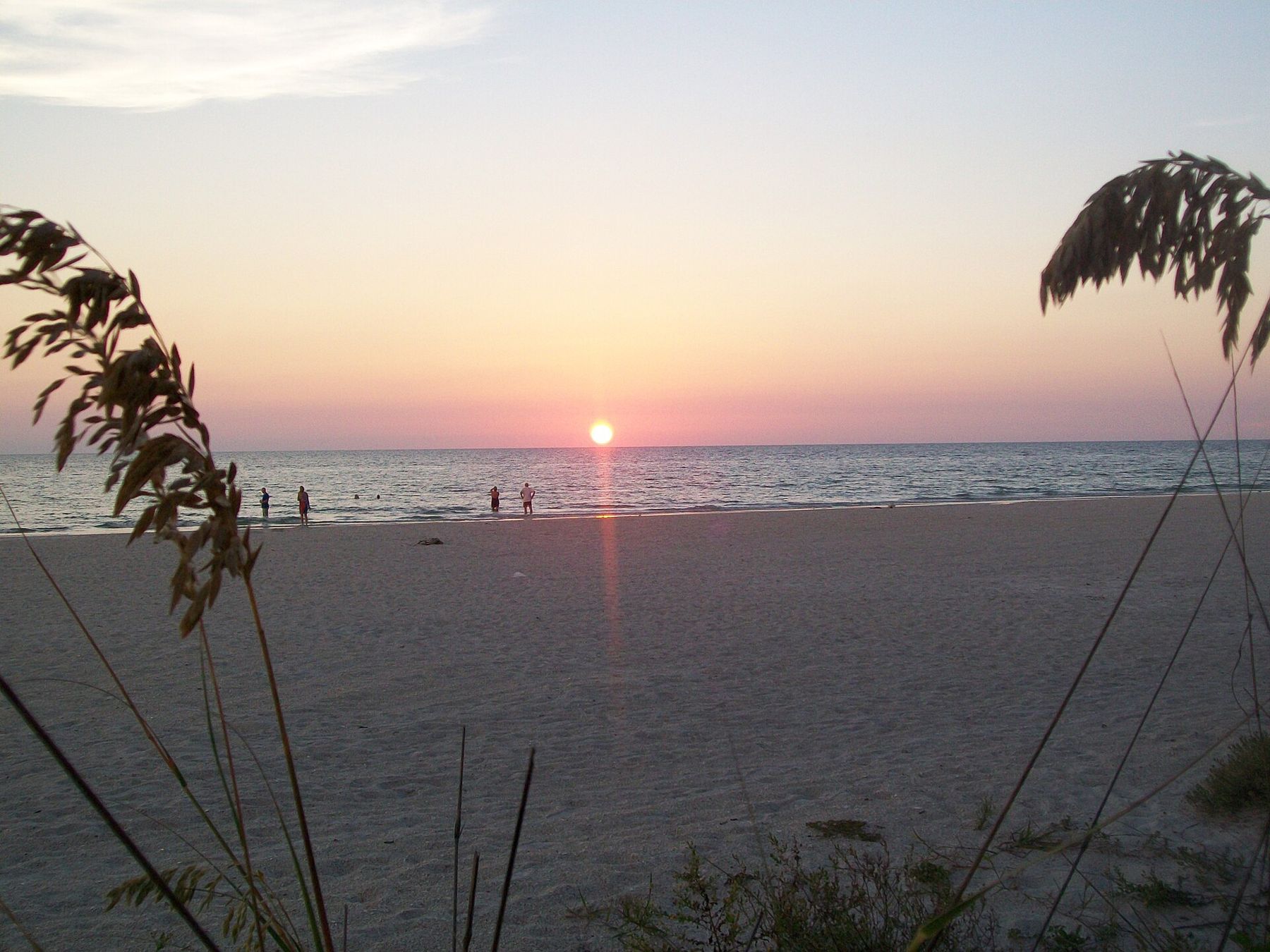
The simplest difference is the light. On the Gulf coast, the sun sets over the water, and evening is the main event: people gather on the sand to watch it go down, and in some towns the moment is greeted with applause. On the Atlantic coast, the sun rises over the ocean, and the best light comes early, when the beach is empty and the sea glows.
If you like long evenings on the sand, choose the Gulf. If you are an early riser, or want the beach to yourself before breakfast, the Atlantic suits you.
The two coasts differ in character as well as light. Much of the Gulf side, especially in the southwest and the Panhandle, is a string of smaller towns, barrier islands and state parks, with a slower, quieter feel. The Atlantic side has more of Florida's big cities, from Jacksonville through Daytona Beach to the long built-up run from Palm Beach to Miami, along with older seaside resorts and, on the Space Coast around Cape Canaveral, the chance to watch a rocket launch from the beach. Neither is better; they simply suit different trips.
Water and waves
The Gulf is shallower and more sheltered, and its waves are usually small. On calm days the water can be glassy and clear, good for swimming, paddling and children. In summer it can also become very warm, like a bath, and in winter it cools more than many visitors expect, especially in the Panhandle.
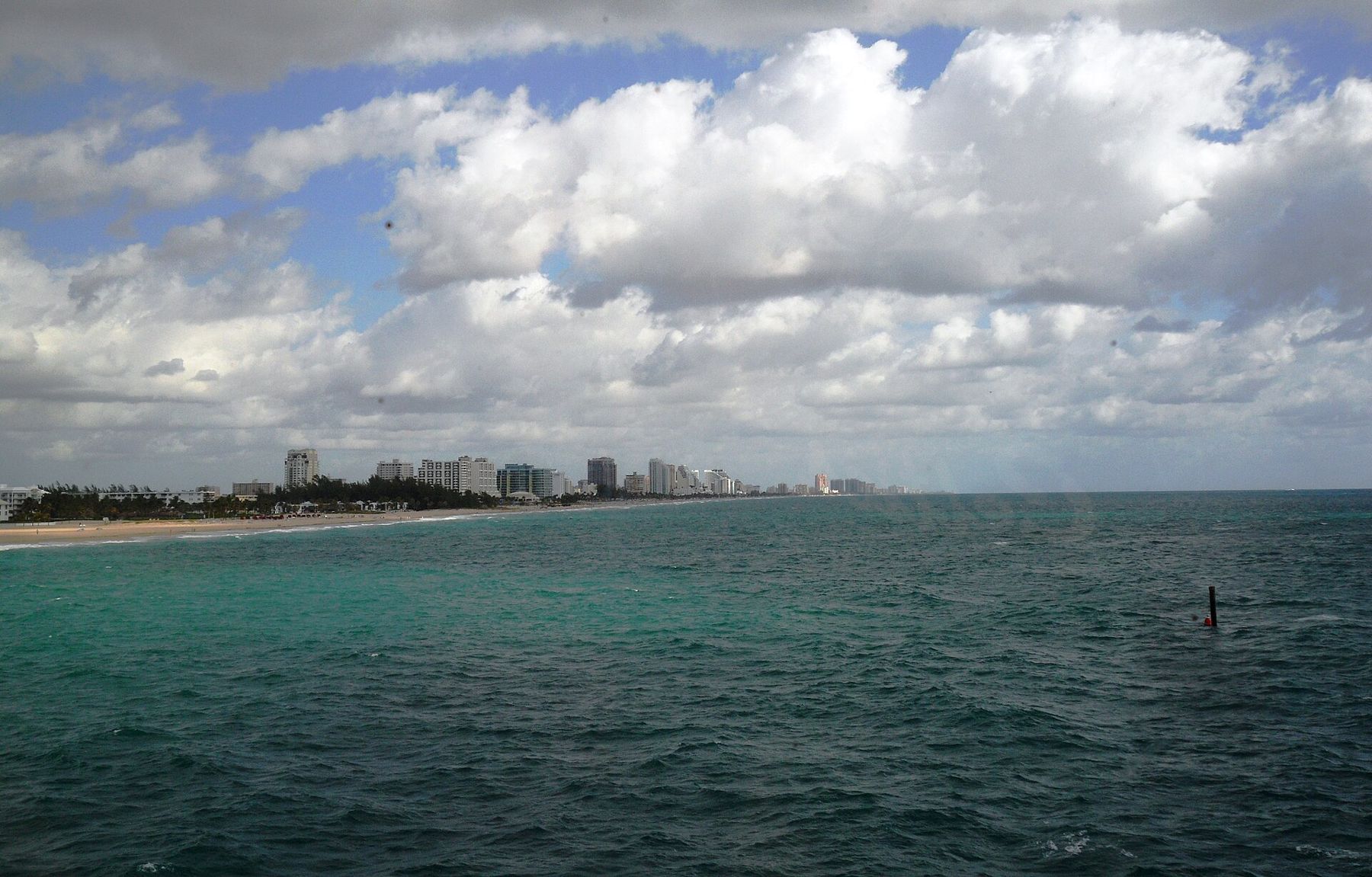
The Atlantic is open ocean. Its waves are generally bigger, which makes it the coast for surfing, and its water feels livelier. In the southeast, the Gulf Stream runs close offshore, keeping the water relatively warm through the winter around Palm Beach, Fort Lauderdale and Miami. Further north, around Jacksonville and St. Augustine, the Atlantic is noticeably cooler in winter.
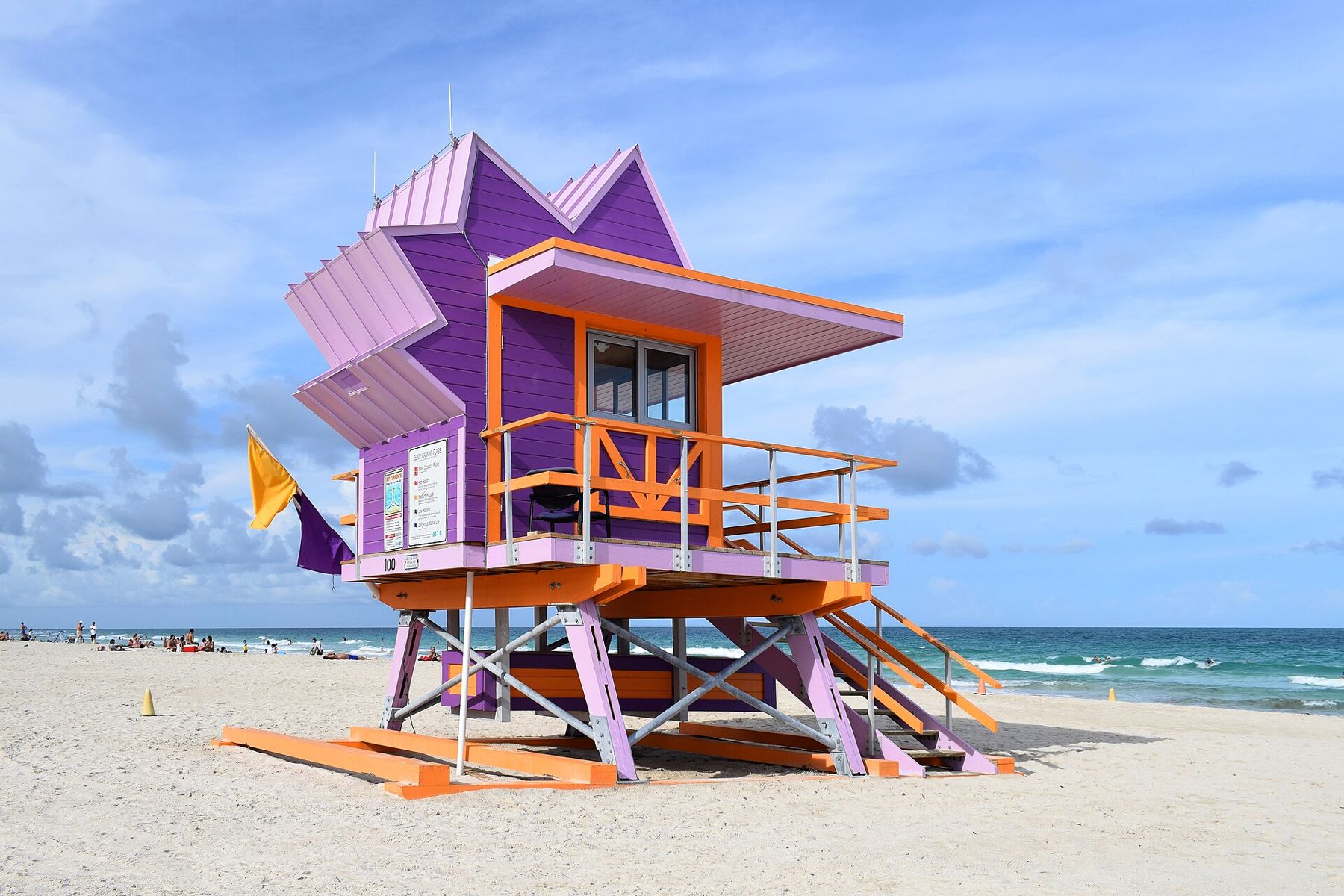
Both coasts have rip currents, and they cause drownings every year. They are more common on the Atlantic and on the Panhandle, but can form anywhere. Learn the warning flags, swim near lifeguards, and if you are caught, swim parallel to the shore until you are free of the pull.
Sand and shells
Sand varies more than you might think. The Panhandle beaches, around Destin, Santa Rosa Beach and Pensacola, are almost pure white quartz, fine and squeaky. Much of the southwest Gulf coast, around Sanibel and Fort Myers, has more shell in the sand, and some of the best shelling in the country. The Atlantic beaches are often darker and coarser, with more crushed shell, and a few, such as parts of Daytona, are firm enough to drive on in permitted sections; check current rules and fees.
Seaweed and red tide
Each coast has a natural nuisance. On the Atlantic side, especially in the southeast, large mats of sargassum seaweed can wash ashore, mostly in spring and summer. Some years are much worse than others. It is harmless in the water, but it smells as it rots on the beach.
On the Gulf side, red tide, a bloom of microscopic algae, sometimes affects the coast, causing fish kills and irritation to the eyes and throat. Blooms come and go irregularly and can last weeks or months. Check local water reports before you plan a beach day on either coast.
Hurricane season
Hurricane season runs from June to November on both coasts, with the most activity usually from mid-August to mid-October. Any part of Florida can be hit. If you travel in these months, keep an eye on forecasts, know your evacuation route, and consider travel insurance. Beaches, bridges and parks may close after a storm; conditions change, so check before you go.
Drive times
Florida is wider than it looks on the map and its roads are busy. As a rough guide, allow:
- About an hour and a half from Tampa to Orlando on Interstate 4, more in traffic.
- About an hour from Orlando to Daytona Beach or to Cocoa Beach.
- Around two and a half hours from Fort Myers or Naples to Fort Lauderdale, across the Everglades on Interstate 75.
- Around five hours from Pensacola to Jacksonville on Interstate 10, without stops.
Rush hours around Orlando, Tampa and Miami can double these times. Toll roads are common; check how your rental car handles tolls before you set off.
How to choose
Think too about what you will do when you are not on the sand. The Gulf side pairs well with paddling, birdwatching, shelling and quiet island towns. The Atlantic side pairs well with cities, museums, nightlife, surfing and, from Orlando, the Space Coast. Central Florida's springs sit between the two and make a fine break from salt water on any route.
If you want calm water, sunsets and shelling, choose the Gulf: try Fort Myers or the white sand of Santa Rosa Beach. If you want surf, sunrises and city life close by, choose the Atlantic: Miami or West Palm Beach. And if you cannot decide, stay in the middle: from Orlando, both coasts are within reach for a day.